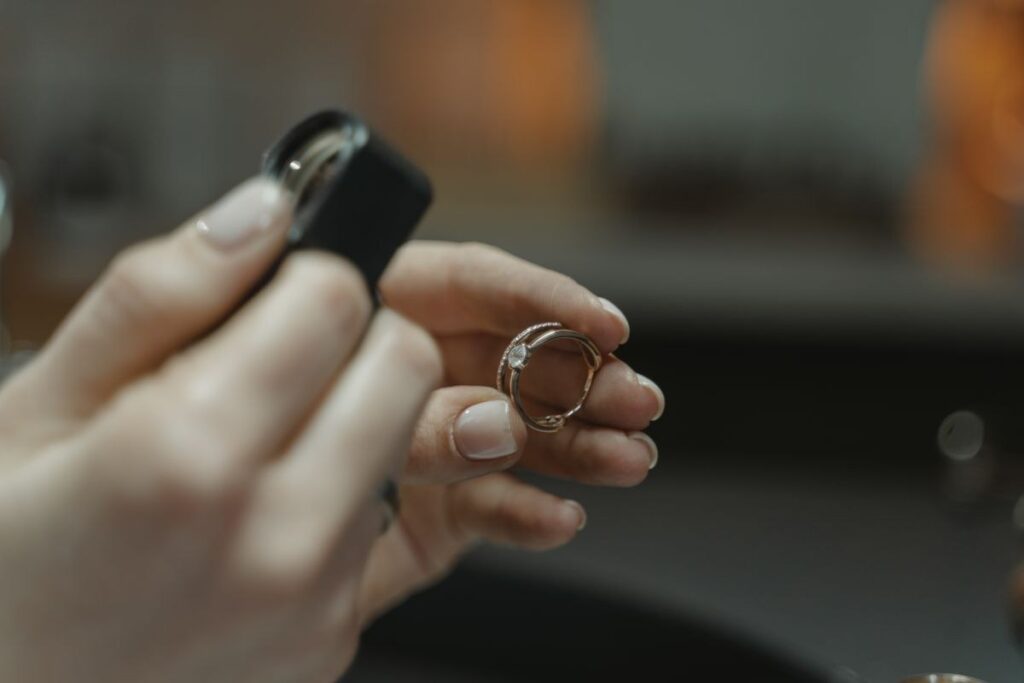
Same crystal, different origin story
Lab-grown diamonds are diamonds. They share the same crystal structure and optical behaviour as mined stones. What differs is the birthplace: a reactor instead of the earth. That distinction matters for price, disclosure and how you feel about the purchase, but it does not turn the stone into glass or cubic zirconia.
When you browse a collection page for laboratory-grown stones, look past carat alone. Ask how the stone is disclosed on the invoice, whether a grading report is available, and how the seller separates lab-grown inventory from mined pieces in the display case.
Two growth methods dominate trade talk: high-pressure high-temperature (HPHT) and chemical vapour deposition (CVD). You do not need to become a process engineer, yet knowing which method produced your stone helps when you compare reports and later insurance appraisals.
Grading language still does the heavy lifting
Colour, clarity, cut and carat still describe face-up appearance. Laboratories adapted report formats so buyers can see when a diamond is laboratory-grown. The Gemological Institute of America remains a widely cited reference for how those grades are assigned and why cut quality changes sparkle more than many shoppers expect.
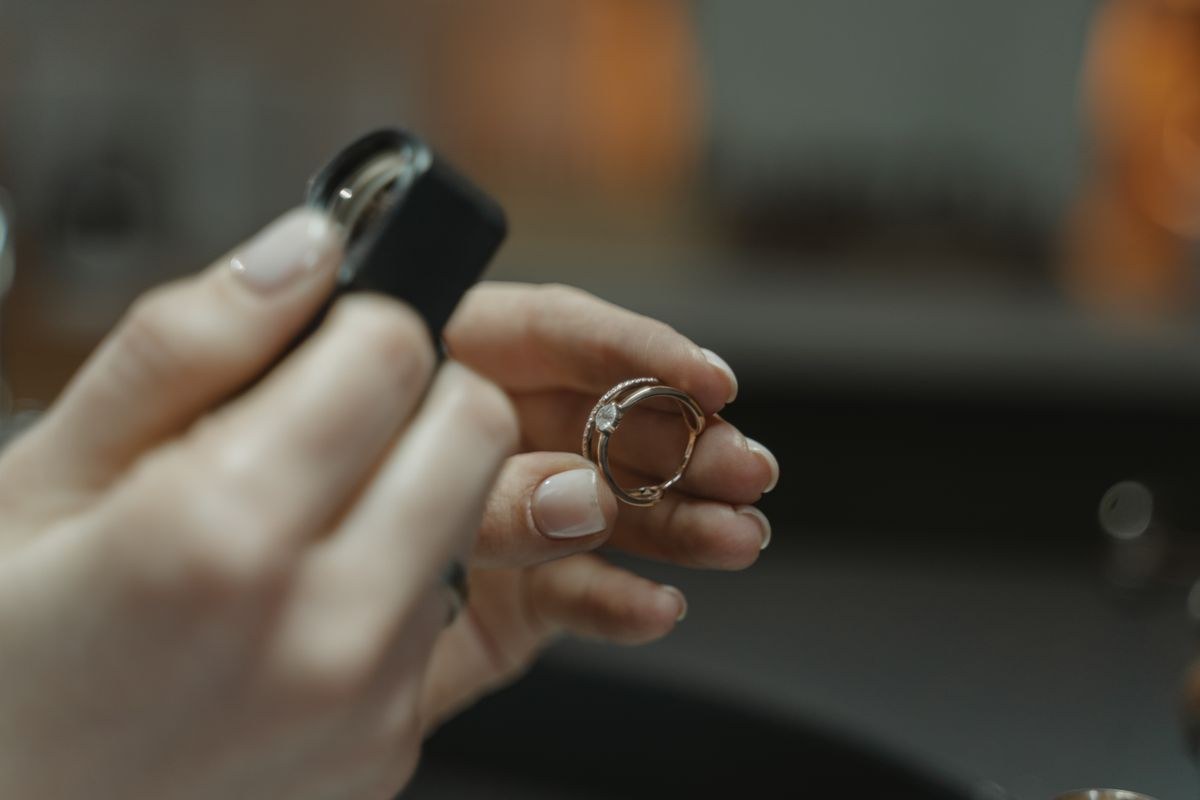
Consumer-protection agencies such as the US Federal Trade Commission have long stressed clear advertising language for jewellery. Even when you shop in Malaysia, that disclosure mindset travels well: the invoice should say laboratory-grown or an equally clear equivalent, not hide the origin behind a brand nickname.
If a seller leans hard on vague green claims, ask for specifics: energy sources, transport, and what was actually audited. Origin stories should survive a polite follow-up question.
A technical primer on chemical vapour deposition and how carbon becomes diamond in a reactor.
Tennis bracelets multiply setting decisions
A continuous line of matched stones looks simple until a clasp fails or a prong opens. a continuous-stone bracelet collection raises practical questions: how the bracelet is secured, whether stones are individually set or channel-set, and what repair options exist if one stone loosens. Matching colour and clarity across dozens of stones also affects price more than a single centre stone of the same total carat weight.
Supply-chain initiatives under the Responsible Jewellery Council focus on how jewellery businesses manage ethics and traceability claims. Those claims still need evidence; “ethical” on a tag is marketing until you can see what was audited.
Ask about clasp type, whether a safety chain is included, and how often the piece should be checked by a jeweller if it is worn daily. Bracelets take more knocks than rings.
Wedding bands are comfort jewellery
Bands live on the hand every day. Width, metal hardness, inside rounding and whether the band holds small diamonds all change comfort after a long workday. Looking at everyday paired rings for daily wear is less about ceremony photos and more about whether the ring will catch on keyboards or tool handles.

Try the band for several minutes, not several seconds. Ask about resizing limits if the design includes a full circle of stones. A beautiful photo is a weak substitute for imagining dishwashing, gym bags and motorcycle grips.
Metal choice also changes the story. White gold, yellow gold and platinum wear differently against skin oils and household chemicals. Ask how often rhodium plating on white gold may need refreshing if you dislike a warmer undertone creeping back. Those maintenance realities belong in the budget beside the stone price.
Insurance and resizing deserve a line on your notes too. Some policies ask for updated appraisals when carat or metal changes. A band with pavé stones may be harder or costlier to resize than a plain shank, which matters if your finger size shifts with climate or health.
A calmer way to decide
Write down origin preference, budget ceiling and which piece works hardest day to day. Compare grading paperwork side by side. Lab-grown options can stretch carat within a budget, but disclosure and craftsmanship still decide whether the piece ages well on your hand. Take a night to think before you upgrade carat just because the number looks nicer on paper.
